
Who Is Meritamen?
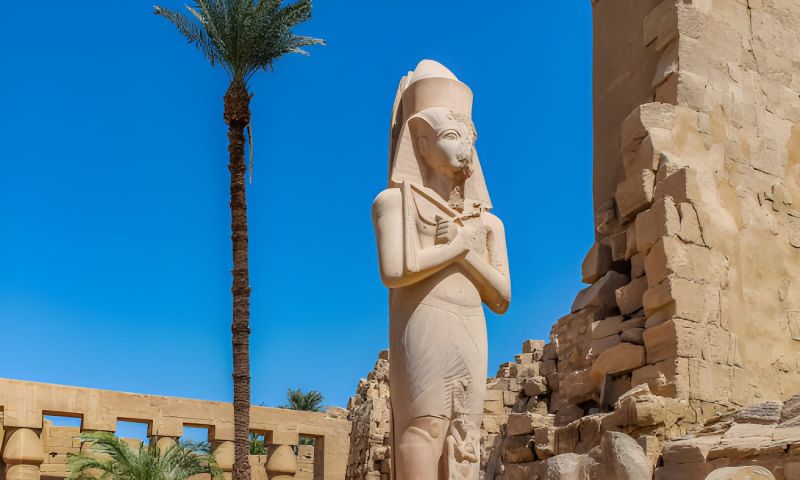
Who Is Meritamen? Discover the Royal Daughter and Great Wife of Ramesses II
Meritamen is one of the most fascinating yet often overlooked royal women of ancient Egypt. Her name, meaning Beloved of Amun, reflects both religious devotion and royal prestige. As a daughter and later Great Royal Wife of Pharaoh Ramesses II, Meritamen stood at the center of power during the 19th Dynasty of the New Kingdom, a golden age of monumental architecture, military triumphs, and artistic excellence.
Travelers exploring Cairo City often encounter statues and inscriptions that whisper her name alongside her legendary father. Yet many visitors ask: who was she beyond the carved stone? Was she merely a princess, or did she hold genuine political and religious authority?
Understanding Meritamen offers a deeper appreciation of ancient Egyptian royal women, their strategic marriages, and their visible roles in temple reliefs and colossal statues. Her presence at Abu Simbel, Luxor, and other sacred sites shows how queens were celebrated as divine partners of the king. For travelers planning immersive Egypt Day Tours & Excursions, discovering her story adds emotional depth to every temple visit.
In this guide, we explore Meritamen’s lineage, titles, religious influence, and lasting legacy. Whether you are preparing for a luxury journey along the Nile or researching royal women of ancient Egypt, her life story reveals a powerful blend of dynasty, devotion, and diplomacy.
Meritamen’s Royal Lineage: Daughter of Ramesses the Great
Meritamen was born into one of the most powerful families in Egyptian history. She was a daughter of Ramesses II and Queen Nefertari, the beloved Great Royal Wife whose beauty and influence are immortalized at Abu Simbel. Growing up in the royal court meant education in religion, diplomacy, and ceremonial duties.
Ramesses II ruled for more than 60 years, commissioning monumental temples and statues that still dominate the Egyptian landscape. Many of these can be explored during a Grand Museum and Pyramids Tour, where artifacts from the New Kingdom help contextualize the grandeur of his reign.
As a royal daughter, Meritamen likely participated in temple rituals and state ceremonies. Royal women were not hidden figures; they appeared prominently in reliefs, emphasizing dynastic continuity and divine favor.
From Princess to Great Royal Wife
One of the most intriguing aspects of Meritamen’s life is her elevation to Great Royal Wife after the death of her mother, Nefertari. Royal marriages between fathers and daughters were not uncommon in ancient Egypt, as they reinforced divine kingship and preserved royal bloodlines.
This transition elevated Meritamen’s status dramatically. As Great Royal Wife, she would have taken on ceremonial responsibilities, participated in religious festivals, and appeared beside Ramesses II in temple reliefs. Her image at Abu Simbel stands nearly equal in scale to the king’s, symbolizing her importance.
Visitors who explore collections at The Egyptian Museum Of Cairo can see how queens of this era were portrayed with regalia emphasizing both elegance and authority.
Meritamen at Abu Simbel: Monumental Representation
At the Small Temple of Abu Simbel, originally dedicated to Nefertari and the goddess Hathor, Meritamen later appears prominently after assuming the role of Great Royal Wife. Her statues, carved into the rock façade, are unusually large for a queen, underscoring her elevated rank.
The artistic representation sends a clear message: she was not a secondary figure but a visible partner in royal ideology. Standing before these statues today, especially during a luxury journey such as the Sonesta St. George Nile Cruise, travelers witness how architecture functioned as political storytelling.
These monuments align with the rhythm of The Nile River, the lifeline that connected temples, cities, and royal power across Upper and Lower Egypt.
Religious Titles and Sacred Duties
Meritamen held important religious titles, including Singer of Amun. In the New Kingdom, religion and politics were inseparable. Serving the god Amun placed her within Thebes’ powerful priestly structure, strengthening royal legitimacy.
Her sacred duties likely included participation in temple rituals, musical ceremonies, and offerings to deities. Such roles reinforced the queen’s divine association and elevated her public image.
Modern visitors seeking deeper historical context often combine temple visits with expert-guided explorations. Reading insights like Cairo Travel Agents: Do You Really Need One? Full Breakdown helps travelers understand the value of professional guidance when uncovering layered royal histories.
Meritamen’s Historical Context in the New Kingdom
The 19th Dynasty marked a period of expansion, diplomacy, and architectural brilliance. Ramesses II signed one of the world’s earliest recorded peace treaties with the Hittites, while constructing grand temples from Luxor to Nubia.
In this dynamic political climate, royal women symbolized continuity and divine blessing. Meritamen’s public prominence reflected stability after Nefertari’s death. Her visibility reassured subjects that the royal household remained strong and divinely favored.
Travelers inspired by such history often explore immersive journeys like the All Inclusive Egypt Vacation, which seamlessly connects Cairo’s museums with Upper Egypt’s temple complexes.
Where to See Evidence of Meritamen Today
Although Abu Simbel remains her most famous association, inscriptions and statues linked to Meritamen appear in various collections and temple sites. A comprehensive cultural exploration might include the Egyptian Museum, Old Coptic and Islamic Cairo Tour, blending pharaonic heritage with later historical layers.
Understanding ancient queens also enhances appreciation for Egypt’s multicultural evolution, visible in areas like Coptic Cairo (Old Cairo), where centuries of faith and architecture coexist.
For travelers coming from North America, curated programs such as Egypt Tours Packages from USA offer seamless access to these remarkable sites while ensuring comfort and expert narration.
Experiencing the World of Ramesses II and Meritamen
To truly grasp Meritamen’s legacy, one must walk through the temples, feel the desert air, and cruise the Nile as ancient royalty once did. Luxury sailings such as the Meroe Dahabiya Nile Cruise recreate an intimate, elegant journey between historic sites.
Longer immersive itineraries like the 10 Days All Inclusive Trip to Egypt allow travelers to connect Abu Simbel, Luxor, Aswan, and Cairo in one seamless narrative.
It is no surprise that articles such as Top Reasons American Travelers Love Egypt consistently highlight the emotional impact of standing before monuments built by Ramesses II and adorned by queens like Meritamen.
Frequently Asked Questions About Who Is Meritamen?
Who were Meritamen’s parents?
Meritamen was the daughter of Pharaoh Ramesses II and Queen Nefertari, one of the most celebrated royal couples of ancient Egypt’s New Kingdom.
Did Meritamen become a queen?
Yes, after the death of her mother Nefertari, Meritamen became a Great Royal Wife of Ramesses II, assuming significant ceremonial and religious responsibilities.
Where can I see statues of Meritamen?
Her most famous representations appear at the Small Temple of Abu Simbel. Additional artifacts and reliefs connected to her era can be viewed in major museums in Cairo.
What was Meritamen’s religious role?
She held titles such as Singer of Amun, indicating participation in temple rituals and reinforcing her sacred association with the powerful Theban priesthood.
Why is Meritamen important in Egyptian history?
Meritamen symbolizes the political and religious influence of royal women during the 19th Dynasty. Her elevation to Great Royal Wife and her monumental depictions highlight the strategic and symbolic importance of queenship in ancient Egypt.
Can travelers explore sites connected to Meritamen today?
Absolutely. Abu Simbel, Luxor, and Cairo museums provide rich insight into her life and legacy. Carefully designed luxury tours and Nile cruises allow modern visitors to experience these iconic locations in comfort and depth.


