
The Egyptian Queen Nefertiti
The Egyptian Queen Nefertiti: Beauty, Power, and the Revolutionary Queen of Ancient Egypt
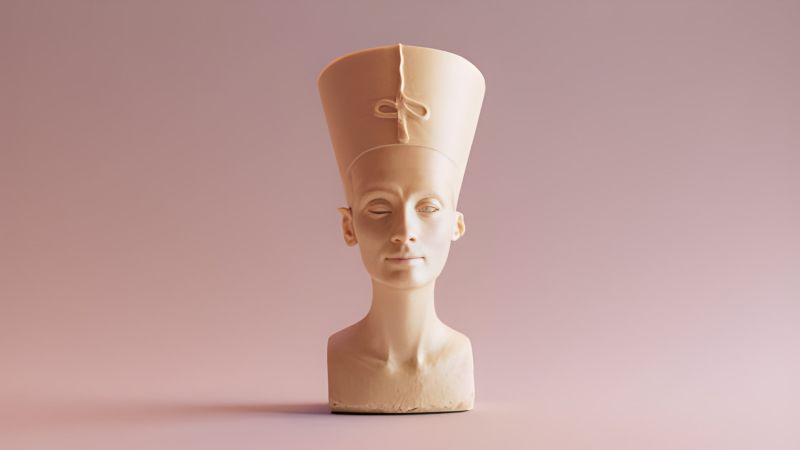
The Egyptian Queen Nefertiti remains one of the most fascinating and enigmatic women in world history. Her name, which means “The Beautiful One Has Come,” perfectly reflects the timeless elegance captured in her iconic limestone bust—now one of the most recognizable artworks of ancient civilization. Yet Nefertiti was far more than a symbol of beauty. She stood at the heart of a religious revolution, ruled beside one of Egypt’s most controversial pharaohs, and may even have governed the kingdom herself.
Travelers who journey through Egypt quickly discover that Nefertiti’s presence still lingers in temple walls, desert ruins, and museum galleries. From the ruins of Amarna to the grand monuments along the Nile, her story is intertwined with the golden age of the 18th Dynasty. Exploring these sites through curated Egypt Private Tours allows history lovers to uncover the subtle details of her reign with expert guidance and exclusive access.
In this in-depth guide, we unveil the life, legacy, mysteries, and travel experiences connected to Queen Nefertiti. Whether you are a history enthusiast, a luxury traveler, or a curious explorer, understanding Nefertiti will transform the way you see ancient Egypt.
The Origins of Queen Nefertiti
The origins of The Egyptian Queen Nefertiti remain a subject of scholarly debate. While some historians believe she was the daughter of Ay, a powerful court official who later became pharaoh, others suggest she may have had foreign royal blood. Regardless of her ancestry, Nefertiti rose to prominence when she married Amenhotep IV, who later renamed himself Akhenaten.
Her early life unfolded during a period of immense prosperity in Egypt. The 18th Dynasty marked a time of wealth, diplomacy, and artistic innovation. Magnificent tombs such as the Beni Hassan Tombs and the cultural heartland of El Minya reflect the refined artistry that would later flourish under her influence.
Nefertiti and Akhenaten: A Royal Revolution
The Birth of Aten Worship
When Amenhotep IV ascended the throne, Egypt traditionally worshipped a pantheon of gods led by Amun. However, in a radical transformation, the king elevated Aten—the sun disk—to supreme status. Nefertiti stood prominently beside him throughout this religious upheaval.
Temple reliefs depict her performing sacred rituals, smiting enemies, and offering to Aten—roles traditionally reserved for pharaohs. This imagery suggests she wielded extraordinary political and spiritual authority. Their new capital, Akhetaten (modern-day Amarna), became the epicenter of this monotheistic experiment.
Artistic Transformation in the Amarna Period
The Amarna Period introduced a revolutionary artistic style characterized by elongated features, intimate family scenes, and naturalistic poses. Nefertiti appears in numerous reliefs wearing her signature blue crown, radiating regal authority.
This artistic shift mirrored a broader cultural change that emphasized personal devotion to Aten. The temples, open to sunlight rather than hidden in shadow, symbolized transparency and divine illumination.
Was Nefertiti a Pharaoh?
One of the greatest mysteries surrounding The Egyptian Queen Nefertiti is whether she ruled as pharaoh after Akhenaten’s death. Some scholars believe she adopted the name Neferneferuaten and governed independently before Tutankhamun’s reign.
Evidence suggests she may have acted as co-regent in the final years of Akhenaten’s rule. Inscriptions show her depicted with pharaonic regalia, a rare honor for a queen. If confirmed, Nefertiti would stand among the few female rulers of Egypt, alongside Hatshepsut and Cleopatra.
The Mystery of Nefertiti’s Tomb
Despite her prominence, Nefertiti’s burial site remains undiscovered. Many Egyptologists believe she was interred in the Valley of the Kings, possibly within or near Tutankhamun’s tomb. Ongoing research continues to search for hidden chambers that might contain her final resting place.
Travelers sailing on a refined Esmeralda Nile Cruise can explore Luxor’s West Bank, where the Valley of the Kings reveals the grandeur of royal burials from her dynasty.
Nefertiti’s Legacy in Modern Egypt
Nefertiti’s bust, discovered in 1912 in Amarna, reshaped global perceptions of ancient Egyptian art. Her symmetrical features and serene gaze continue to symbolize feminine power and timeless beauty.
Her influence extends beyond museums. The religious revolution she supported altered Egypt’s spiritual landscape, even though traditional worship was restored after her era. Sites like the Temple Of Khnum demonstrate how deeply rooted traditional beliefs remained in Upper Egypt.
Travel Through the World of Nefertiti
Luxury Nile Journeys
To fully immerse yourself in the world of The Egyptian Queen Nefertiti, consider a curated journey such as the 10-Day Egypt Luxury Vacation with Dahabiya. Sailing the Nile as royalty once did offers unparalleled access to temples and ancient cities that shaped her dynasty.
For travelers seeking a shorter yet refined escape, the 5 Day Luxury Tour to Egypt blends iconic landmarks with premium accommodations.
Classic itineraries like the 3 Nights Nile Cruise Egypt connect travelers to the temples of Luxor and Aswan, echoing the spiritual devotion that defined Nefertiti’s era.
Exploring Southern Egypt
While Nefertiti’s story centers in Amarna and Luxor, southern monuments enrich your understanding of New Kingdom power. An unforgettable Abu Simbel Tour reveals the grandeur later pharaohs pursued to reinforce divine kingship.
Complement your journey with immersive Aswan Day Tours & Excursions, where island temples and granite quarries reflect Egypt’s architectural mastery.
Beyond the Nile: Egypt’s Diverse Landscapes
Egypt’s allure stretches far beyond pharaonic capitals. After tracing Nefertiti’s legacy, travelers often retreat to serene natural wonders like Siwa Oasis, where desert silence contrasts with royal splendor.
The surreal formations of White Desert Egypt create landscapes as otherworldly as the artistic revolution of Amarna.
On the Red Sea coast, marine sanctuaries such as Ras Mohammed National Park offer vibrant coral reefs and crystal waters—an ideal finale to a cultural expedition.
Why Nefertiti Still Captivates the World
The Egyptian Queen Nefertiti embodies more than ancient royalty. She represents transformation, courage, and feminine authority in a patriarchal world. Her willingness to stand beside Akhenaten during a radical spiritual shift demonstrates resilience and conviction.
For modern travelers, her story deepens every temple visit and museum gallery. Walking through Egypt with knowledge of her reign transforms stone carvings into vivid narratives of ambition and devotion.
Frequently Asked Questions About The Egyptian Queen Nefertiti
Who was The Egyptian Queen Nefertiti?
Nefertiti was the Great Royal Wife of Pharaoh Akhenaten during the 18th Dynasty. She played a central role in Egypt’s religious revolution, promoting the worship of Aten and possibly ruling as pharaoh after her husband’s death.
What is Nefertiti most famous for?
She is most famous for her beautifully preserved limestone bust discovered in Amarna, as well as for her prominent political and religious influence during the Amarna Period.
Did Nefertiti rule Egypt as a pharaoh?
Many scholars believe she may have ruled under the name Neferneferuaten after Akhenaten’s death. While definitive proof remains elusive, inscriptions suggest she held kingly authority.
Where is Nefertiti’s tomb?
Her tomb has not yet been conclusively identified. Some researchers theorize it may be hidden within the Valley of the Kings, possibly near Tutankhamun’s burial chamber.
How can I visit sites connected to Nefertiti?
You can explore Amarna, Luxor, and the Nile Valley through luxury cruises, private tours, and expertly guided itineraries that highlight the monuments and artistic heritage of her reign.
Why is Nefertiti important in ancient Egyptian history?
Nefertiti symbolizes political partnership, religious transformation, and female empowerment in ancient Egypt. Her influence during one of the most radical periods in Egyptian history ensures her enduring legacy.


