
Ancient Egyptian Papyrus Art
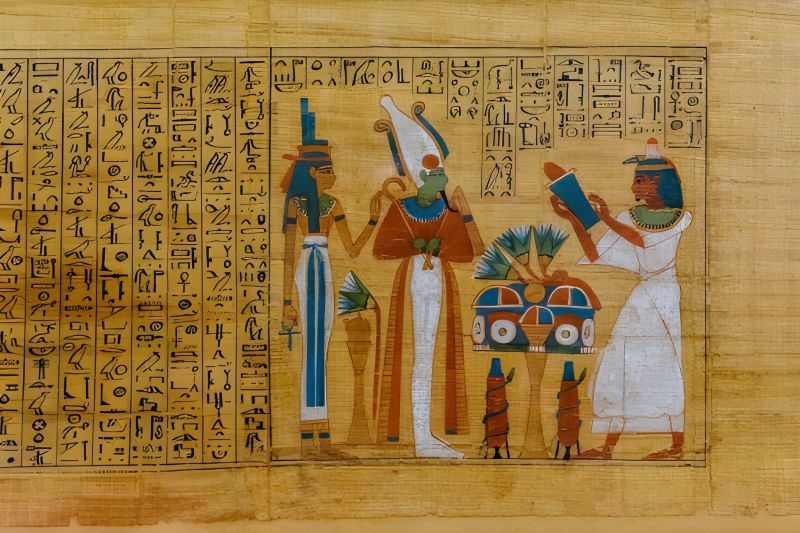
Ancient Egyptian Papyrus Art: The Timeless Craft of Pharaohs and Scribes
Ancient Egyptian papyrus art stands among the most iconic creative expressions of human civilization. Long before paper became commonplace, the ancient Egyptians mastered the art of transforming the papyrus plant into smooth, durable sheets that carried sacred texts, royal decrees, medical knowledge, and vibrant works of art. Today, these intricate paintings and symbolic scenes continue to captivate travelers, collectors, and historians who seek to understand the soul of Egypt through its earliest artistic language.
Imagine standing before a delicate papyrus scroll, its surface adorned with gods, goddesses, hieroglyphs, and scenes of daily life along the Nile. Each brushstroke tells a story of devotion, power, and eternity. Papyrus art was never merely decorative. It preserved religious rituals, documented triumphs of pharaohs, and guided souls through the afterlife in the famed Book of the Dead. The artistry combined technical mastery with spiritual symbolism, making every piece a profound cultural treasure.
For luxury travelers exploring Egypt, discovering authentic papyrus art offers a deeper connection to the civilization behind the pyramids. Whether admired in Cairo’s museums or crafted in traditional workshops, papyrus reveals the intellectual and artistic sophistication that defined ancient Egypt. This guide explores its origins, techniques, symbolism, and where modern visitors can experience genuine papyrus masterpieces firsthand.
The Origins of Ancient Egyptian Papyrus Art
The Papyrus Plant and Its Role in Early Civilization
Papyrus was derived from the Cyperus papyrus plant that flourished along the fertile banks of the Nile River. Ancient craftsmen sliced the inner pith into thin strips, laid them in perpendicular layers, pressed them together, and dried them under weight to create strong, flexible sheets. This innovation revolutionized record-keeping and artistic expression.
Papyrus quickly became essential for administration, literature, and religion. Scribes documented everything from grain inventories to sacred hymns. Over time, blank sheets evolved into painted surfaces where artists illustrated mythology, royal achievements, and scenes of agriculture and celebration.
Papyrus in Religious and Funerary Art
One of the most famous uses of papyrus art was in funerary texts. Scrolls placed in tombs featured detailed vignettes of the afterlife, including judgment scenes before Osiris. These paintings were rich in symbolism, color, and precise hieroglyphic inscriptions designed to ensure safe passage into eternity.
Travelers exploring Egypt often encounter these masterpieces during curated Egypt Day Tours & Excursions, where expert guides decode the symbolic language behind each illustrated scene.
Techniques and Materials Used in Papyrus Painting
Traditional Papyrus-Making Process
Authentic papyrus production remains a meticulous craft. After harvesting, artisans remove the outer rind, slice the inner fibers, soak them to release natural sugars, then press and dry the sheets. The result is a textured surface with visible crosshatch patterns—one of the key indicators of genuine papyrus.
Natural Pigments and Artistic Precision
Ancient Egyptian artists used mineral-based pigments such as red and yellow ochre, malachite green, and lapis lazuli blue. Brushes were typically fashioned from reeds. The application required remarkable control, as mistakes could not easily be corrected.
Visitors interested in seeing preserved examples often combine papyrus exploration with the Grand Museum and Pyramids Tour, where exquisite artifacts reveal the refinement of ancient Egyptian artistry.
Symbolism in Ancient Egyptian Papyrus Art
Gods, Pharaohs, and Sacred Imagery
Common themes in papyrus paintings include depictions of Ra, Isis, Anubis, and Osiris. Pharaohs are often portrayed in profile, maintaining strict artistic conventions that symbolized order and divine authority. The lotus flower represented rebirth, while the ankh symbolized eternal life.
Such imagery echoes throughout Egypt’s temples and monuments, many of which are included in thoughtfully designed itineraries like the 7 Day Egypt Tour, offering a comprehensive introduction to Egypt’s artistic heritage.
Daily Life Along the Nile
Beyond religious themes, papyrus art captured fishing scenes, agricultural harvests, banquets, and musical performances. These lively compositions provide invaluable insight into daily life thousands of years ago.
To fully appreciate the Nile’s cultural impact, many travelers choose voyages such as the MS Nile Style Nile Cruise, where temple reliefs and onboard lectures bring ancient artistry to life.
Where to Experience Authentic Papyrus Art in Egypt
Cairo’s Museums and Papyrus Institutes
Cairo houses remarkable collections of original papyrus manuscripts. The Egyptian Museum and the Grand Egyptian Museum display fragments that reveal extraordinary preservation and artistic detail.
Many visitors also join the Egyptian Museum, Old Coptic and Islamic Cairo Tour to explore broader artistic traditions that evolved from ancient foundations.
Luxury Travel Experiences with Cultural Depth
For travelers seeking seamless exploration, curated journeys like the Egypt Tours Packages from USA combine expert-guided museum visits, papyrus workshops, and iconic landmarks into one refined itinerary.
An All Inclusive Egypt Vacation ensures guests can immerse themselves fully in Egypt’s artistic and archaeological wonders without logistical concerns.
Papyrus Art Beyond the Nile: Cultural Connections Across Egypt
The influence of ancient symbolism extends beyond the Nile Valley into Egypt’s deserts and coastal regions. In the mystical landscapes of the Western Desert & Others, rock art and inscriptions echo themes seen on papyrus scrolls.
Oases such as Kharga Oasis and Dakhla Oasis preserve temples and tombs adorned with painted scenes reminiscent of papyrus compositions.
Even sacred destinations like the Oracle Of Amun reflect the spiritual narratives frequently illustrated in ancient scrolls.
Travelers who venture to the dramatic dunes of the Great Sand Sea often discover how Egypt’s vast landscapes inspired the mythology captured so vividly in papyrus art.
How to Identify Authentic Papyrus Art
Authentic papyrus features visible horizontal and vertical fibers, irregular edges, and a textured surface. When gently rolled, genuine papyrus does not crack. Reputable workshops provide certificates of authenticity and demonstrate the traditional manufacturing process.
Investing in a hand-painted papyrus artwork not only supports local artisans but also preserves a craft passed down for millennia. For discerning collectors, selecting museum-quality pieces ensures lasting value and cultural integrity.
Frequently Asked Questions About Ancient Egyptian Papyrus Art
What is Ancient Egyptian papyrus art?
Ancient Egyptian papyrus art refers to paintings and written works created on sheets made from the papyrus plant. These artworks often depict religious scenes, hieroglyphs, gods, and aspects of daily life, serving both decorative and spiritual purposes.
How was papyrus made in ancient Egypt?
Craftsmen sliced the inner pith of the papyrus plant into strips, arranged them in crosswise layers, pressed them together, and dried them to form smooth sheets. The plant’s natural sap acted as an adhesive, binding the layers securely.
What themes are common in papyrus paintings?
Common themes include scenes from the Book of the Dead, depictions of gods like Osiris and Isis, images of pharaohs, agricultural life along the Nile, and symbolic motifs such as the ankh and lotus flower.
How can you tell if papyrus art is authentic?
Authentic papyrus shows distinct crosshatched fibers and maintains flexibility when rolled. Fake versions often use banana leaves or printed paper. Purchasing from reputable workshops or museum shops ensures authenticity.
Where can travelers see original papyrus manuscripts?
Original papyrus manuscripts are displayed in major museums in Cairo, including the Egyptian Museum and the Grand Egyptian Museum. Many guided tours include expert explanations to help visitors understand their historical and artistic significance.
Is papyrus art still made today?
Yes, skilled Egyptian artisans continue to produce papyrus using traditional methods. Modern artists recreate ancient designs and also develop contemporary interpretations, allowing this remarkable artistic legacy to endure.


