
Who Is The Egyptian God Of Dust?
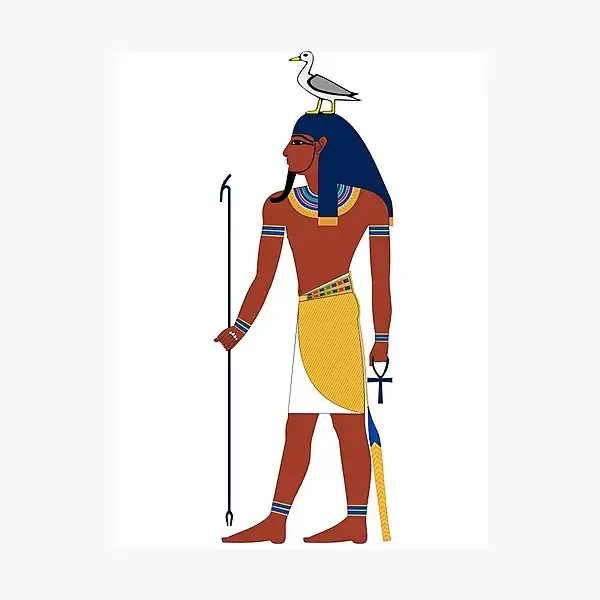
Who Is The Egyptian God Of Dust? Discover the Desert Deity Behind Egypt’s Shifting Sands
When travelers imagine Egypt, they picture golden horizons, wind-swept dunes, and the vast silence of the desert stretching beyond the pyramids. But behind that mesmerizing landscape lies a powerful divine figure deeply rooted in ancient mythology. If you have ever wondered who is the Egyptian god of dust, the answer leads you into the mysterious realm of Set, the formidable god of chaos, storms, and the desert.
In ancient Egyptian belief, dust was not merely sand drifting through the air. It symbolized transformation, disruption, power, and the untamed forces of nature. The god associated with dust and desert winds was Set, a complex deity who ruled over arid lands, tempests, and the unpredictable energy of the wilderness. Understanding Set unlocks a deeper appreciation for Egypt’s landscapes and the spiritual imagination of its ancient civilization.
Today, visitors exploring Egypt’s deserts, pyramids, and ancient temples often encounter stories of Set woven into reliefs and hieroglyphs. Whether you are planning one of the curated Egypt Travel Packages or researching mythology before your journey, learning about the Egyptian god of dust adds powerful context to every grain of sand beneath your feet.
Set: The Egyptian God of Dust, Desert, and Storms
Set, sometimes spelled Seth, was the ancient Egyptian god most closely associated with dust, desert winds, storms, and chaos. He ruled over the barren red lands beyond the fertile Nile Valley. While other gods represented order and life, Set embodied the harsh realities of the desert — scorching heat, blinding sandstorms, and the raw force of nature.
In hieroglyphic inscriptions, Set appears as a mysterious animal with a curved snout and forked tail, often referred to as the Set animal. Unlike the falcon of Horus or the jackal of Anubis, this creature does not clearly resemble any known species, reinforcing Set’s unpredictable and untamed character.
As god of dust and desert storms, Set represented both danger and protection. He could unleash chaos, yet he also defended the sun god Ra from the serpent Apophis during nightly battles in the underworld. This duality makes Set one of the most fascinating deities in Egyptian mythology.
The Symbolism of Dust in Ancient Egyptian Religion
To modern minds, dust may seem insignificant. To the ancient Egyptians, it carried profound symbolic weight. Dust represented the desert, and the desert was both feared and respected. It was the realm outside civilization — a place of exile, spiritual testing, and divine encounters.
Set’s connection to dust signified disruption. Sandstorms could bury temples, obscure vision, and transform landscapes overnight. In mythological terms, dust symbolized chaos intruding upon order, a theme central to Egyptian cosmology.
Travelers who venture beyond Cairo into the Western Desert often gain a new appreciation for this symbolism. Reading the Siwa Oasis Camping Guide: Prices, Activities & What To Expect reveals how the desert still commands awe, much as it did thousands of years ago under Set’s divine watch.
Was Set Evil? Understanding the God of Chaos
Many people mistakenly label Set as an evil god because of his role in the myth of Osiris, where he murders his brother. However, ancient Egyptian religion was far more nuanced. Set was not purely evil; he was necessary. Without chaos, there could be no balance.
The Egyptians believed in Ma’at — the principle of cosmic order. Set’s storms and dust represented forces that challenged Ma’at, yet those forces also tested and strengthened it. In some periods, especially during the New Kingdom, Set was even honored as a national protector deity.
Understanding this complexity enhances any historical journey. Before selecting an itinerary, many travelers consult A Complete Guide To Egypt Tours And Travel to better grasp the cultural depth behind the monuments they plan to visit.
Where Can You See Evidence of Set in Egypt Today?
Although Set’s cult centers were primarily located in Upper Egypt, depictions of him appear in temples across the country. Reliefs show him standing beside Ra or clashing with Horus. Some desert temples include inscriptions invoking his protection against storms and invaders.
A visit to Saqqara and Memphis offers context for Egypt’s broader mythological world. The Pyramids, Memphis and Saqqara Tour immerses visitors in early dynastic history, when beliefs about desert deities like Set were taking shape.
Similarly, the Trip to Giza Pyramids and Egyptian Museum allows travelers to view artifacts and statues that illustrate the divine balance between order and chaos.
Exploring the Land of the Desert God
To truly understand the Egyptian god of dust, you must experience the desert firsthand. The vast silence, shifting sands, and powerful winds create an atmosphere that feels timeless. A luxury journey along the Nile combined with desert excursions offers the perfect contrast between fertile life and arid wilderness.
Elegant voyages such as the Mayfair Nile Cruise provide refined comfort while connecting you to ancient temples where Set once appeared in sacred carvings.
For those seeking a broader itinerary, Combined Tours with Egypt allow travelers to pair Egypt’s mythological wonders with neighboring destinations, creating a journey as dynamic as the god of storms himself.
Choosing the Right Egypt Experience
Planning a mythology-focused journey requires thoughtful preparation. Reading 7 Reasons To Book With An Egypt Travel Agent Instead Of Planning Alone can help you understand the value of expert guidance, especially when exploring remote desert regions.
If you are deciding between curated group travel or exclusive private exploration, Private Vs Group Egypt Tours: Which One Is Right For You provides clarity tailored to different travel styles.
Travelers seeking seamless planning often opt for comprehensive itineraries such as the 11 Days All Inclusive Egypt Tour Package, ensuring they experience both iconic landmarks and lesser-known desert sites linked to Set.
To ensure exceptional quality and expertise, consult resources like Best Egypt Tour Operators: Honest Reviews And Ratings before finalizing your plans.
Why the Egyptian God of Dust Still Captivates Travelers
Set endures in the imagination because he represents something universal: the power of nature beyond human control. Standing in the desert at sunset, watching wind sweep across ancient stones, you feel the presence of forces that shaped both landscape and legend.
For many visitors, this spiritual dimension is part of why they return. Insights shared in Top Reasons American Travelers Love Egypt reveal that mythology and atmosphere remain as compelling as the monuments themselves.
Whether sailing through Upper Egypt on one of the refined Egypt Nile Cruises or tracing ancient myths across desert temples, discovering who is the Egyptian god of dust transforms your journey into something deeper than sightseeing. It becomes an encounter with the elemental spirit of Egypt.
FAQs About Who Is The Egyptian God Of Dust?
Who is the Egyptian god of dust and desert storms?
The Egyptian god of dust, desert, and storms is Set. He ruled over arid lands, chaos, and powerful sandstorms. While often misunderstood as purely evil, Set represented necessary disruption within the cosmic balance of ancient Egyptian belief.
Was Set considered an evil god in ancient Egypt?
No, Set was not originally considered evil. Although he killed Osiris in mythology, he also protected the sun god Ra from the chaos serpent Apophis. Ancient Egyptians viewed him as a complex deity embodying both destructive and protective forces.
What symbols are associated with the Egyptian god of dust?
Set is associated with the desert, red land, storms, and a mysterious animal known as the Set animal. Dust and sandstorms symbolized his power over chaos and the untamed wilderness beyond the Nile’s fertile banks.
Where can I learn more about Set while visiting Egypt?
You can see depictions of Set in various temples and museums across Egypt, particularly in Upper Egypt. Guided tours of Saqqara, Memphis, Luxor, and the Egyptian Museum provide insight into his role in mythology and state religion.
Why is understanding Set important for travelers to Egypt?
Understanding Set enriches your experience of Egypt’s desert landscapes and mythological heritage. Recognizing his role in ancient cosmology allows you to appreciate the deeper spiritual meaning behind the country’s monuments, temples, and sweeping sands.


