
The Legend Of Osiris And Isis
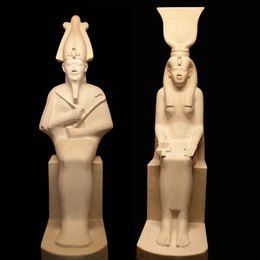
The Legend Of Osiris And Isis: Ancient Egypt’s Most Powerful Love Story
The Legend Of Osiris And Isis is more than a myth whispered across temple walls; it is the emotional and spiritual heartbeat of ancient Egypt. For thousands of years, this sacred story shaped religious beliefs, royal rituals, and the Egyptian understanding of life, death, and rebirth. Travelers who stand before the towering columns of Philae Temple or gaze at the intricate carvings in Abydos are not simply admiring architecture—they are witnessing scenes from a divine drama that defined a civilization.
At its core, this legend tells of love stronger than betrayal, devotion more powerful than death, and resurrection that promises eternal life. Osiris, the wise king, and Isis, the devoted queen, were revered as symbols of harmony and fertility. Their story unfolds along the fertile banks of the Nile, through golden deserts, and inside sacred sanctuaries where priests once reenacted the myth in elaborate ceremonies.
Understanding this legend transforms any journey to Egypt into something profoundly meaningful. Suddenly, temple reliefs become narrative chapters. Sacred boats carved in stone echo ancient funeral rites. The Nile itself feels like a living character in the myth. For luxury travelers seeking depth beyond the monuments, exploring the legend of Osiris and Isis offers insight into why Egypt still captivates the world today. It is not simply history—it is a timeless story etched into the soul of the land.
The Origins Of The Osiris Myth In Ancient Egyptian Religion
The legend began during Egypt’s earliest dynasties and evolved over centuries. Osiris was believed to be a benevolent ruler who taught humanity agriculture, law, and civilization. His reign symbolized order and prosperity, a concept known as Ma’at. Yet his jealous brother Seth, god of chaos and desert storms, plotted against him.
According to the myth, Seth tricked Osiris into lying inside a beautifully crafted chest, which he then sealed and cast into the Nile. This act marked the first divine death in Egyptian theology. Isis, embodying loyalty and fierce determination, began her epic search along the riverbanks and across foreign lands to recover her husband’s body.
This narrative explains ancient Egypt’s obsession with the afterlife. Osiris became ruler of the underworld, judge of the dead, and symbol of resurrection. For travelers fascinated by Egypt’s spiritual heritage, stories like this reveal why monumental tombs and elaborate burial rites were central to the civilization’s identity.
Isis: Goddess Of Magic, Motherhood, And Devotion
Isis stands among the most powerful female figures in world mythology. She was worshiped not only in Egypt but throughout the Mediterranean. Her image—often depicted with outstretched wings—symbolized protection and divine motherhood.
After discovering Osiris’s body, Isis used her magical abilities to resurrect him briefly, conceiving their son Horus. This miraculous act established her as the ultimate symbol of loyalty and feminine strength. For modern travelers inspired by strong cultural narratives, her story resonates deeply, especially for those exploring themes of empowerment and heritage such as in Solo Female Travel Egypt.
Her temples, particularly at Philae in Aswan, remain among Egypt’s most enchanting sacred sites. Walking through these columns at sunset reveals why Isis became the goddess of healing, magic, and unconditional love.
Osiris And The Promise Of Eternal Life
Osiris’s resurrection reshaped ancient Egyptian beliefs about death. Instead of fearing mortality, Egyptians saw it as a passage to another realm where the soul would be judged. The famous weighing of the heart ceremony—depicted in tombs across Luxor—stems directly from Osiris’s role as judge of the underworld.
This profound belief system explains the grandeur of royal burials and the preservation of mummies. Travelers seeking to understand these rituals often discover deeper insights through cultural explorations like Egypt Then And Now, which connects ancient spirituality to modern traditions.
The myth also reinforces the Nile’s symbolism. Just as the river floods and renews the land, Osiris’s death and rebirth represent agricultural cycles and eternal regeneration.
Where To Experience The Legend Of Osiris And Isis In Egypt
To truly appreciate this myth, visiting the temples dedicated to these deities is essential. Abydos, one of Egypt’s oldest religious centers, was considered the burial place of Osiris. Pilgrims once traveled there seeking blessings for the afterlife.
Philae Temple in Aswan stands as the spiritual heart of Isis worship. Its island setting enhances the mystical atmosphere, particularly when illuminated during special performances such as the Sound and Light Show Pyramids with Dinner, which brings ancient legends vividly to life.
Travelers exploring Upper Egypt often combine these sacred sites with curated journeys like Egypt Private Tours for a personalized immersion into Egypt’s mythological heritage.
Luxury Nile Journeys Inspired By The Myth
The Nile itself plays a central role in the Osiris story. Sailing its tranquil waters allows visitors to follow the path Isis once traveled in her quest. Elegant experiences such as Dahabiya Cruises offer an intimate way to connect with the landscapes that shaped the myth.
For a truly refined voyage, The Nile Dahabiya blends traditional sailing charm with modern luxury, allowing guests to explore temples dedicated to Isis and Osiris at a relaxed pace.
Many travelers integrate these experiences into curated itineraries such as the 7 Days Cairo and Nile Cruise Package or the immersive 8 Days Pyramids and Nile Cruise Holidays.
Why The Legend Still Fascinates Modern Travelers
The Legend Of Osiris And Isis continues to captivate because it speaks to universal themes: love, loss, justice, and rebirth. These timeless elements transform historical sites into emotional experiences. Visitors often include sacred temples on their Egypt Bucket List, seeking deeper meaning beyond the pyramids.
Understanding cultural context also dispels misconceptions, as highlighted in Egypt Travel Myths, helping travelers approach ancient stories with clarity and respect.
Whether capturing breathtaking temple backdrops at renowned Instagram Spots In Egypt or exploring authentic traditions through Local Experiences Egypt, the legend adds emotional depth to every encounter.
Planning Your Journey Into Egypt’s Mythical Past
Crafting a meaningful itinerary requires thoughtful timing and cultural insight. Resources such as How Many Days In Egypt help travelers determine the ideal length for exploring sacred sites connected to Osiris and Isis.
Practical guidance from Egypt Travel Tips ensures a seamless luxury experience, from temple etiquette to seasonal considerations.
Those wishing to explore Aswan’s spiritual landmarks in depth may consider tailored Aswan Day Tours & Excursions, offering curated access to Philae and nearby archaeological treasures.
Frequently Asked Questions About The Legend Of Osiris And Isis
Who were Osiris and Isis in ancient Egyptian mythology?
Osiris was the god of the afterlife, resurrection, and fertility, while Isis was the goddess of magic, motherhood, and protection. Together they symbolized divine kingship, eternal love, and spiritual rebirth in ancient Egyptian religion.
What is the main story of The Legend Of Osiris And Isis?
The central story recounts how Osiris was betrayed and killed by his brother Seth. Isis searched tirelessly for his body, used her magical powers to resurrect him briefly, and conceived their son Horus. Osiris then became ruler of the underworld, establishing the foundation of Egyptian beliefs about the afterlife.
Where can I see temples dedicated to Isis and Osiris?
Philae Temple in Aswan is the most famous sanctuary dedicated to Isis. Abydos is strongly associated with Osiris and was considered his burial site. Both locations remain accessible and are highlights of luxury Nile itineraries.
Why was Osiris important to ancient Egyptian burial rituals?
Osiris represented resurrection and eternal judgment. Ancient Egyptians believed that after death, souls would face judgment before him. This belief influenced mummification practices, tomb construction, and funerary texts such as the Book of the Dead.
How does the legend influence modern Egyptian culture?
While no longer worshiped religiously, the symbolism of Osiris and Isis remains deeply embedded in Egypt’s cultural identity. Festivals, artistic motifs, and storytelling traditions continue to reflect themes of renewal, devotion, and eternal life rooted in this ancient legend.
Is The Legend Of Osiris And Isis suitable for family travel experiences?
Yes, the story’s themes of adventure, loyalty, and heroism make it engaging for travelers of all ages. Guided tours often present the legend in captivating ways that bring ancient temples to life for families and cultural explorers alike.


