
The King Tutankhamun's Mask
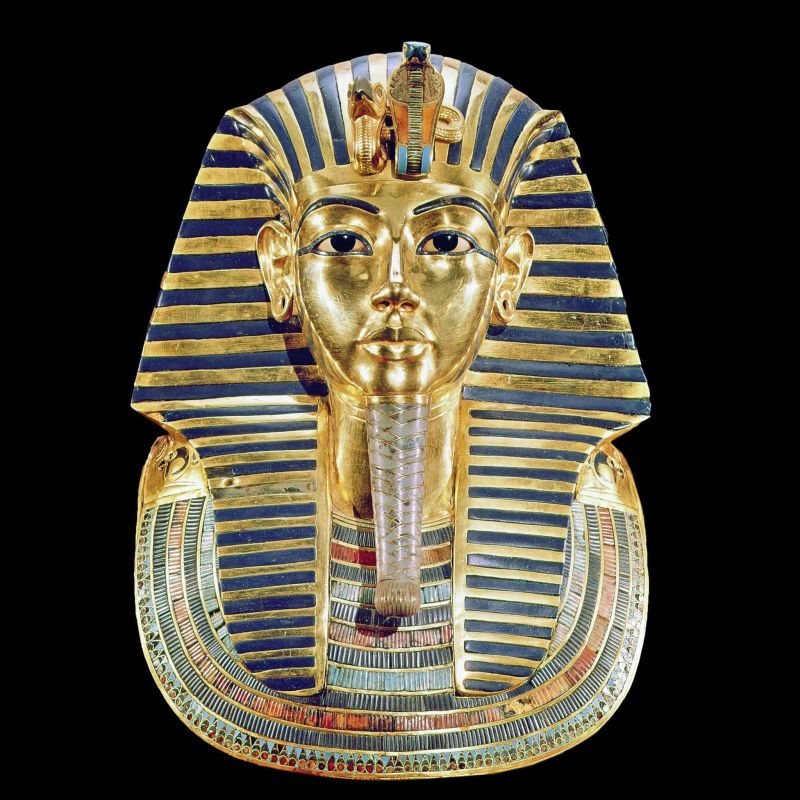
The King Tutankhamun's Mask: Egypt’s Golden Icon of Immortality
The King Tutankhamun's Mask is more than an artifact—it is the eternal face of ancient Egypt. Crafted over 3,000 years ago and discovered in 1922 by Howard Carter inside the young pharaoh’s nearly intact tomb, this golden masterpiece continues to mesmerize historians, travelers, and art lovers alike. Standing before it is a transformative moment. The polished gold glows under museum lights, lapis lazuli lines the royal nemes headdress, and the serene expression captures the divine authority of a king who ruled for only a decade yet achieved everlasting fame.
For luxury travelers exploring Cairo’s treasures, Tutankhamun’s funerary mask represents the pinnacle of Pharaonic craftsmanship. It tells a story of power, spirituality, and the Egyptian obsession with eternity. Whether you are planning your first visit or deepening a lifelong fascination with the ancient world, this masterpiece anchors your journey in a profound way. Many guests who ask Why Should I Visit Egypt quickly discover that the answer often begins with the golden gaze of King Tut.
As you explore Egypt’s cultural landscape—from the pyramids of Giza to the temples of Luxor—the mask becomes a symbolic thread connecting past and present. It embodies the mystery that fuels global curiosity and inspires travelers who admit, almost sheepishly, Why Am I Obsessed With Ancient Egypt. The fascination is universal, and the mask stands at its heart.
The Discovery of Tutankhamun’s Tomb and the Golden Mask
In November 1922, British archaeologist Howard Carter uncovered the steps leading to Tutankhamun’s tomb in the Valley of the Kings. What followed was one of the most significant archaeological discoveries in history. Unlike other royal tombs, this burial chamber remained largely undisturbed, preserving thousands of treasures—including the now-iconic funerary mask.
The mask was found resting directly over the pharaoh’s mummy within nested coffins. Weighing over 10 kilograms of solid gold, it was designed to protect and spiritually transform the young king in the afterlife. The discovery sparked worldwide “Tutmania,” forever placing Egypt at the center of global imagination. For those interested in Egypt Then And Now, the mask symbolizes how ancient heritage continues to shape modern national identity.
Materials and Craftsmanship of The King Tutankhamun's Mask
Solid Gold and Precious Inlays
The mask is crafted from two sheets of hammered gold, intricately fused together. Artisans in the 18th Dynasty adorned it with lapis lazuli, quartz, obsidian, turquoise, carnelian, and colored glass. Each gemstone carried symbolic meaning, believed to offer protection and divine power.
The striped nemes headdress features alternating bands of gold and deep blue lapis lazuli. The cobra and vulture—symbols of Upper and Lower Egypt—rest on the brow, signifying the king’s unified rule. Every detail reflects refined artistry and spiritual precision.
Symbolism and Divine Protection
The serene facial expression represents the god Osiris, ruler of the afterlife. The false beard, curved at the end, reinforces Tutankhamun’s transformation into a divine being. Inscribed spells from the Book of the Dead line the back and shoulders, ensuring protection for eternity.
Travelers who venture Egypt Beyond The Pyramids often discover that artifacts like this reveal a deeply spiritual civilization focused on rebirth and immortality.
Where Is The King Tutankhamun's Mask Today?
Today, the mask is displayed in Cairo, drawing millions of visitors annually. Seeing it in person is a highlight of any luxury Egypt itinerary. Many travelers combine their Cairo exploration with Egypt Day Tours & Excursions to fully immerse themselves in the capital’s rich history.
For those concerned about logistics, reading about Egypt Travel Safety provides reassurance and practical insight for a seamless journey.
Experiencing Tutankhamun’s Legacy on a Nile Journey
The story of King Tut extends far beyond Cairo. His tomb lies in Luxor, within the Valley of the Kings. A refined way to explore this region is through curated Egypt Nile Cruises, where guests sail between monumental temples while enjoying five-star comfort.
Luxury vessels such as the Sonesta St. George Nile Cruise offer elegant accommodations paired with expert Egyptologists who bring Tutankhamun’s era vividly to life.
For a more intimate experience, the Malouka Dahabiya Nile Cruise provides a boutique sailing atmosphere reminiscent of 19th-century exploration.
Combining King Tut with Broader Luxury Adventures
Many discerning travelers extend their Egyptian journey through Combined Tours with Egypt, pairing Cairo’s antiquities with global destinations.
The 12 Days Egypt and Dubai Package blends pharaonic wonders with futuristic skylines, while the 13 Days Morocco and Egypt Itinerary connects North Africa’s imperial legacies in one seamless voyage.
Photography, Culture, and Deeper Exploration
The luminous gold and intricate detailing make the mask a dream subject for cultural enthusiasts joining an Egypt Photography Tour. Capturing its expression requires patience and artistic sensitivity.
Independent adventurers inspired by Solo Travel In Egypt often find museum visits deeply personal and reflective experiences.
Before finalizing your itinerary, consult practical advice from How To Plan A Trip To Egypt to ensure your encounter with Tutankhamun’s mask becomes the highlight of a perfectly curated journey.
Frequently Asked Questions About The King Tutankhamun's Mask
What is The King Tutankhamun's Mask made of?
The mask is primarily made of over 10 kilograms of solid gold. It is inlaid with semi-precious stones such as lapis lazuli, quartz, obsidian, turquoise, and carnelian, along with colored glass. These materials were chosen not only for beauty but also for spiritual symbolism and protection.
How old is Tutankhamun’s golden mask?
The mask dates back to around 1323 BCE, making it more than 3,300 years old. It was created during Egypt’s 18th Dynasty in the New Kingdom period.
Why is The King Tutankhamun's Mask so famous?
Its fame stems from the extraordinary discovery of Tutankhamun’s nearly intact tomb in 1922. The mask’s artistic perfection, solid gold construction, and historical significance transformed it into a global symbol of ancient Egypt.
Where can I see The King Tutankhamun's Mask?
The mask is displayed in Cairo as part of Egypt’s priceless pharaonic collection. Visiting it is a central highlight of any cultural tour in the capital.
What does the mask symbolize?
The mask symbolizes the divine transformation of Tutankhamun into Osiris, god of the afterlife. The cobra and vulture represent royal authority over Upper and Lower Egypt, while inscriptions from sacred funerary texts provide eternal protection.
Was the mask found on the mummy?
Yes. When archaeologists opened the nested coffins inside Tutankhamun’s tomb, the golden mask was placed directly over the young king’s head and shoulders, serving as both a spiritual shield and a representation of his eternal identity.


