
Real Ancient Egyptian Artifacts
Real Ancient Egyptian Artifacts: Discover Authentic Treasures of a Timeless Civilization
Real ancient Egyptian artifacts are not simply museum pieces sealed behind glass; they are living echoes of a civilization that shaped human history for over 3,000 years. From gilded sarcophagi and colossal statues to delicate amulets and papyrus scrolls, these genuine relics reveal the beliefs, artistry, and daily lives of the ancient Egyptians. For discerning travelers seeking meaningful cultural immersion, encountering authentic artifacts in Egypt offers an unforgettable journey into the soul of antiquity.
Imagine standing before a towering statue of Ramses II, its weathered features still radiating authority. The power of such masterpieces is undeniable, as explored in detail through the Statue Of Ramses II. These objects are not replicas or romanticized interpretations; they are tangible remnants carved, painted, and crafted thousands of years ago.
Whether displayed in the Grand Egyptian Museum, preserved within Luxor’s temples, or discovered in royal tombs in the Valley of the Kings, real ancient Egyptian artifacts allow visitors to connect directly with pharaohs, priests, and artisans. Every hieroglyph, every brushstroke, and every chiseled relief communicates a story of devotion, ambition, and eternity.
For luxury travelers, curated cultural experiences through Combined Tours with Egypt offer privileged access to Egypt’s most iconic collections while seamlessly blending history with refined comfort. This is more than sightseeing; it is an intimate encounter with humanity’s most fascinating civilization.
What Defines Real Ancient Egyptian Artifacts?
Authentic ancient Egyptian artifacts are objects created during Egypt’s Pharaonic periods, spanning roughly 3100 BCE to 30 BCE. These items were used in religious rituals, burial ceremonies, governance, education, and everyday domestic life. Unlike modern reproductions, genuine artifacts carry archaeological provenance and are typically excavated under strict supervision.
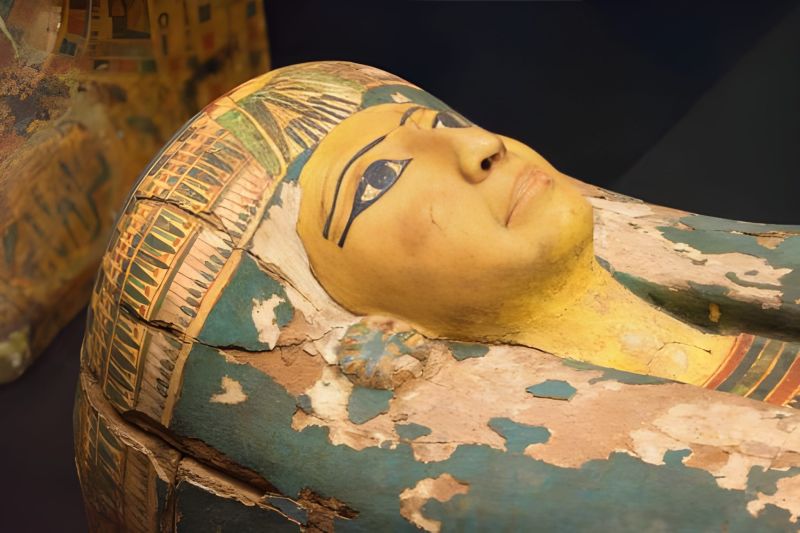
Artifacts range from monumental temple reliefs to personal jewelry. Funerary masks, shabti figurines, canopic jars, and carved obelisks reflect complex spiritual beliefs, including the preservation of the body and soul. If you’re curious about funerary practices, the detailed explanation in What Are The 7 Steps Of Mummification? offers valuable context for understanding many burial artifacts.
Educational tools such as writing tablets and ink palettes also reveal how knowledge was transmitted. Insight into literacy and scribal life can be found in Education In Ancient Egypt, highlighting the sophistication behind seemingly simple objects.
Iconic Real Ancient Egyptian Artifacts You Can See Today
Royal Statues and Colossi
Colossal statues symbolized divine kingship and eternal power. Sculpted from granite or limestone, these figures were strategically placed at temple entrances to project authority. The artistic detail, from muscular torsos to carefully carved crowns, reflects a refined aesthetic and political messaging.
Sarcophagi and Funerary Masks
Golden burial masks and intricately painted coffins are among the most captivating artifacts in Egypt. Designed to protect and identify the deceased in the afterlife, these pieces often depict gods and sacred symbols, including references explained in Anubis Symbol and broader beliefs surrounding Ancient Egyptian Animal Gods.
Temple Reliefs and Historical Inscriptions
Temple walls across Karnak, Luxor, and Abu Simbel feature carved battle scenes and ceremonial processions. The dramatic account of the Battle Of Kadesh survives through monumental inscriptions that blend propaganda with historical record.
To witness such masterpieces firsthand, travelers often include an Abu Simbel Tour, where Ramses II’s colossal statues guard the temple carved directly into a mountainside.
Where to Experience Real Ancient Egyptian Artifacts in Luxury
Egypt offers unparalleled access to authentic relics in both museums and archaeological sites. In Cairo, the Grand Egyptian Museum houses thousands of genuine treasures, including the complete collection of Tutankhamun’s burial goods.
In Upper Egypt, visitors can explore temple complexes and tombs via refined itineraries such as Egypt Tours Packages from USA, ensuring seamless travel and expert-guided interpretation.
For an immersive journey along the Nile, a curated Egypt Nile Cruise Luxury experience allows guests to sail between Luxor and Aswan while stopping at temples rich with authentic carvings and statues.
Travelers seeking an extended cultural adventure may opt for the 12 Days Trip to Egypt and Jordan, combining Egypt’s monumental relics with Petra’s carved façades for a broader exploration of ancient civilizations.
The Spiritual and Cultural Meaning Behind the Artifacts
Every authentic artifact embodies layers of symbolism. Religious reforms, such as those explored in Was Pharaoh Akhenaten The Rebel King Who Changed Egypt Forever?, influenced artistic styles and iconography, demonstrating how artifacts reflect shifting ideologies.
Even natural landscapes influenced artistic motifs. The vivid mineral tones seen in relief paintings echo the dramatic hues of sites like the Coloured Canyon, where nature’s palette mirrors ancient pigments.
Artifacts were never isolated objects; they were woven into festivals, rituals, and celebrations. Modern visitors curious about seasonal traditions may appreciate cultural continuity explored in How Is The Christmas In Egypt?, illustrating Egypt’s enduring spiritual landscape.
Planning Your Journey to See Real Ancient Egyptian Artifacts
The ideal time to explore archaeological treasures depends largely on weather conditions. Understanding How Is The Climate In Egypt? helps travelers select comfortable seasons for temple visits and museum tours.
Private excursions such as the Egypt Day Tours & Excursions collection offer curated access to key historical landmarks with expert Egyptologists who bring artifacts vividly to life.
Beyond temples and tombs, Egypt’s diverse heritage invites exploration of protected landscapes, as highlighted in Why Explore National Parks In Egypt?, creating a balanced journey between cultural relics and natural wonders.
Frequently Asked Questions About Real Ancient Egyptian Artifacts
What are the most famous real ancient Egyptian artifacts?
The most renowned authentic artifacts include Tutankhamun’s golden mask, the Rosetta Stone, colossal statues of Ramses II, intricately decorated sarcophagi, and temple reliefs at Karnak and Abu Simbel. These objects provide direct insight into royal power, religious beliefs, and artistic mastery.
Where can I see real ancient Egyptian artifacts in Egypt?
You can view genuine artifacts at the Grand Egyptian Museum in Cairo, the Luxor Museum, and within archaeological sites such as the Valley of the Kings, Karnak Temple, and Abu Simbel. Many luxury tours include expert-guided visits to these locations.
How can you tell if an Egyptian artifact is real?
Authentic artifacts are verified through archaeological documentation, material analysis, and expert evaluation. Museums and reputable institutions provide provenance records that confirm an object’s excavation history and authenticity.
Why were so many artifacts placed in tombs?
Ancient Egyptians believed in an eternal afterlife. Items such as jewelry, furniture, amulets, and food offerings were placed in tombs to ensure comfort and protection in the next world. These burial goods now serve as invaluable historical evidence.
Can travelers legally purchase ancient Egyptian artifacts?
No, it is illegal to buy or export genuine ancient Egyptian antiquities. Visitors may purchase high-quality replicas as souvenirs, but authentic artifacts are protected by strict heritage laws to preserve Egypt’s cultural legacy.
What makes ancient Egyptian artifacts unique compared to other civilizations?
Ancient Egyptian artifacts stand out for their symbolic precision, durability, and continuity of style across millennia. Hieroglyphic inscriptions, divine iconography, and monumental scale create a visual language instantly recognizable worldwide.
Real ancient Egyptian artifacts offer more than historical curiosity; they provide a profound connection to humanity’s enduring quest for meaning, beauty, and immortality. For travelers who seek authenticity wrapped in luxury, Egypt remains an unparalleled destination where the past still breathes through stone, gold, and sacred script.


