
Local Life In Egypt
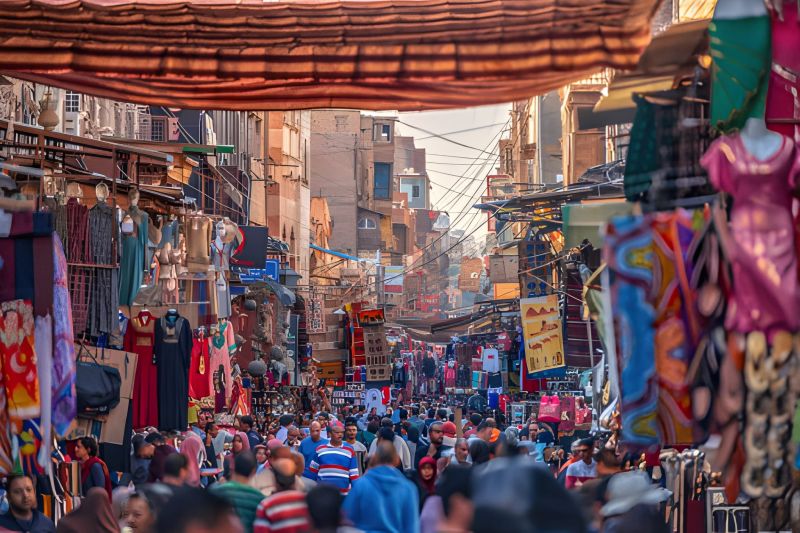
Local Life In Egypt: A Journey Beyond the Monuments
Local life in Egypt is a captivating blend of ancient heritage and vibrant modern rhythm. Beyond the pyramids and temples lies a living, breathing culture shaped by thousands of years of tradition, faith, trade, and community. When you step into an Egyptian street, you are not simply sightseeing—you are entering a daily story told through the aroma of fresh bread, the echo of the call to prayer, the laughter of children playing football in alleyways, and the hum of conversations over sweet mint tea.
From Cairo’s bustling neighborhoods to the serene villages along the Nile, Egyptian daily life reflects warmth, resilience, and an unshakable sense of hospitality. Shopkeepers invite you in with genuine smiles. Families gather on balconies at sunset. Fishermen cast their nets as they have for centuries. Whether you explore through curated Egypt Private Tours or venture independently, experiencing local life transforms your trip into something deeply personal and unforgettable.
Luxury travelers seeking authenticity often combine cultural immersion with curated journeys such as the 08 Days Egypt Private Tour Package, which balances iconic landmarks with real encounters. Because Egypt is not just a destination—it is an experience of shared meals, spontaneous conversations, and traditions that continue to shape everyday existence.
Daily Life in Cairo: Energy, Tradition, and Modern Rhythm
Cairo is a city that never truly sleeps. At dawn, bakeries prepare fresh baladi bread while commuters navigate lively streets filled with honking taxis and colorful microbuses. In historic districts, artisans still craft copper lanterns and intricate woodwork by hand, preserving techniques passed down through generations.
As evening falls, locals gather at cafés to watch football matches, discuss politics, and play backgammon. Cultural experiences like the Sound and Light Show Pyramids with Dinner blend entertainment with heritage, offering visitors a glimpse into how Egyptians celebrate their history today.
For a more tranquil perspective of the capital, a Private Felucca Ride reveals how the Nile remains central to everyday life, just as it was in ancient times. Families picnic along the riverbanks while young couples stroll beneath the golden glow of sunset.
Life Along the Nile: Agriculture, Community, and Timeless Traditions
Outside the capital, local life in Egypt slows into a peaceful rhythm along the Nile Valley. Farmers tend to sugarcane and date palms, using irrigation methods rooted in Pharaonic ingenuity. In Upper Egypt, villages wake with the sunrise and wind down after sunset, guided by the river’s natural cycle.
Travelers who choose elegant river journeys such as Dahabiya Cruises experience this authenticity intimately. Small sailing vessels glide quietly past riverside homes where children wave from the shore and fishermen mend their nets.
Luxury options like the Malouka Dahabiya Nile Cruise provide access to lesser-visited villages, offering genuine cultural exchanges away from crowds. In Aswan, guided explorations through Aswan Day Tours & Excursions reveal Nubian communities known for their colorful homes and warm hospitality.
Desert Communities: Resilience and Oasis Living
Beyond the fertile Nile Valley lies another dimension of Egyptian daily life—the desert. In the Western Desert & Others, Bedouin traditions remain strong. Families gather in shaded courtyards, sharing stories under vast star-filled skies.
Oases such as Kharga Oasis and Dakhla Oasis thrive through agriculture and artisanal crafts. Life here revolves around date harvesting, olive pressing, and close-knit community bonds.
In the dramatic landscapes of the Great Sand Sea, nomadic heritage shapes identity. Meanwhile, coastal desert regions near Gebel Elba National Park reveal unique biodiversity that supports small local settlements.
Red Sea Coastal Living: Sea, Sustainability, and Simplicity
Along Egypt’s Red Sea coast, daily life is deeply connected to the water. Fishing communities rise early, while divers and marine conservationists work to protect world-renowned sites like Elphinstone Reef. In protected areas such as Wadi El Gemal National Park, local tribes collaborate with environmental initiatives to preserve fragile ecosystems.
Here, evenings are tranquil. Families gather by the shore, sharing freshly grilled seafood while children play in the sand. The pace is slower, shaped by tides and sunshine rather than traffic and deadlines.
Food Culture: The Heart of Egyptian Social Life
Food is central to local life in Egypt. Meals are rarely rushed and almost always shared. Traditional dishes such as koshari, molokhia, and freshly baked flatbread reflect both history and regional identity. Street vendors serve falafel at sunrise, while households prepare elaborate Friday lunches after prayers.
Travelers on immersive journeys like the 10 Day Egypt Tour Private often enjoy home-hosted meals or curated culinary experiences. For extended exploration, the 11 Days Egypt Travel Package from USA allows visitors to savor regional specialties from Alexandria to Aswan.
Religion, Celebrations, and Social Bonds
Faith plays an essential role in Egyptian daily life. The harmonious presence of mosques and churches reflects centuries of coexistence. Religious holidays such as Ramadan and Coptic Christmas bring communities together in shared celebration.
During Ramadan, streets glow with lanterns and families gather for iftar meals at sunset. Acts of generosity increase, reinforcing the collective spirit that defines Egyptian society. Visitors who experience these traditions gain insight into the values of unity, gratitude, and hospitality.
Frequently Asked Questions About Local Life In Egypt
What is everyday life like for locals in Egypt?
Everyday life in Egypt varies by region but centers on family, work, and community. In cities, people balance professional responsibilities with social gatherings at cafés and restaurants. In rural areas, agriculture and craftsmanship shape daily routines. Across the country, hospitality and strong social connections remain constant.
Is it safe to experience local neighborhoods in Egypt?
Yes, many local neighborhoods are welcoming and safe, especially when explored with knowledgeable guides. Choosing structured experiences or private tours enhances comfort while allowing authentic engagement with communities.
How important is the Nile in modern Egyptian life?
The Nile remains vital for agriculture, transportation, and identity. It supports farming communities, supplies water to cities, and serves as a cultural symbol of continuity and life throughout the nation.
What role does food play in Egyptian culture?
Food is a cornerstone of social interaction. Meals bring families together daily, and hospitality often begins with offering tea or coffee. Traditional dishes reflect both regional diversity and centuries of culinary evolution.
Can luxury travelers still experience authentic local life in Egypt?
Absolutely. Luxury travel in Egypt often includes curated cultural encounters, private home visits, small-vessel Nile cruises, and guided market tours. These experiences combine comfort with meaningful immersion, ensuring travelers connect deeply with authentic Egyptian daily life.
What is the pace of life in Egypt compared to Western countries?
The pace varies. Cairo moves quickly and energetically, while villages and coastal towns embrace a slower, more relaxed rhythm. In many places, relationships and conversation take priority over strict schedules, creating a warm and human-centered atmosphere.


