
Egyptian God Of Music
Egyptian God Of Music: Divine Harmony in Ancient Egyptian Mythology
The Egyptian God Of Music represents far more than melody and rhythm; he embodies cosmic balance, celebration, and sacred expression woven into the heart of ancient Egyptian civilization. In temples illuminated by flickering oil lamps and perfumed with incense, music was not mere entertainment. It was a bridge between mortals and gods, a spiritual force that aligned the human soul with the rhythm of the universe. Priests chanted hymns at dawn, temple musicians played harps and sistra, and dancers moved in reverence to honor divine presence. Every note carried intention. Every vibration held meaning.
For luxury travelers exploring Egypt today, understanding the Egyptian God Of Music adds depth to every temple visit and museum tour. Beyond the monumental pyramids and golden treasures lies a refined cultural world shaped by sound and sacred performance. To truly appreciate this dimension, explore Egypt Beyond The Pyramids, where ancient rituals and hidden stories reveal a more intimate side of the land.
Whether you are drawn by mythology, history, or the romance of the Nile, discovering the divine origins of music in Egypt transforms your journey into something immersive and unforgettable. It invites you to hear the echoes of temple chants in Luxor, imagine festival processions in Thebes, and feel the pulse of civilization that once resonated along the Nile’s banks.
Who Was the Egyptian God Of Music?
The Egyptian God Of Music is most commonly associated with Hathor, the radiant goddess of music, dance, joy, love, and motherhood. While Egypt’s pantheon included many deities connected to art and celebration, Hathor stood supreme as the divine patroness of melody and festivity. Often depicted holding a sistrum, a sacred rattle-like instrument, she symbolized harmony between heaven and earth.
Hathor’s influence extended beyond performance. Music under her protection was believed to soothe angry gods, heal the sick, and elevate prayers to the celestial realm. Temples dedicated to her, especially at Dendera, became vibrant centers of musical devotion. Understanding Egypt Then And Now reveals how these ancient traditions continue to shape Egypt’s artistic identity today.
Hathor: Goddess of Music, Dance, and Joy
Sacred Instruments and Symbolism
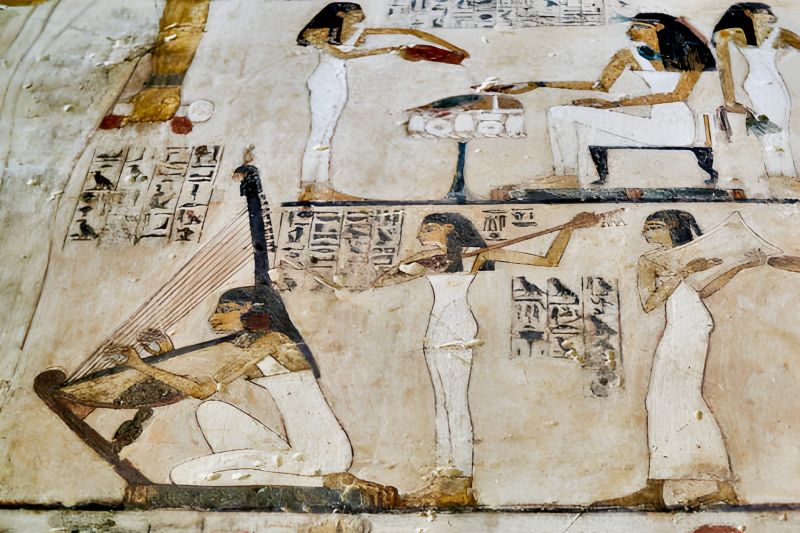
The sistrum, harp, lute, and flute were sacred instruments associated with the Egyptian God Of Music. The sistrum in particular was shaken during rituals to invoke protection and divine favor. Its metallic jingling was believed to dispel negative energy and summon joy. Temple reliefs show priestesses performing with elegance and precision, their movements choreographed to honor Hathor.
Travelers curious about experiencing Egypt’s artistic heritage firsthand can immerse themselves in curated cultural journeys through Egypt Vacation Packages, where expert guides bring mythology and symbolism vividly to life.
Festivals in Honor of the Music Goddess
Grand festivals celebrated Hathor with processions, singing, and elaborate performances. The “Beautiful Festival of the Valley” in Thebes united communities in joyous devotion. Music was the heartbeat of these events, reinforcing unity and divine gratitude.
When planning your itinerary, understanding How Many Days In Egypt helps ensure you have time to explore key temples where such festivals once unfolded in magnificent splendor.
The Role of Music in Ancient Egyptian Religion
Music permeated every layer of religious life. Morning temple rituals began with hymns awakening the gods. Funeral ceremonies featured mournful chants guiding souls to the afterlife. Celebratory banquets echoed with rhythmic clapping and harp melodies. The Egyptian God Of Music was not distant; divine harmony shaped daily existence.
Modern visitors can witness this sacred atmosphere during immersive excursions such as the Trip to Giza Pyramids and Egyptian Museum, where ancient instruments and temple artifacts reveal the spiritual significance of sound.
Music Along the Nile: A Timeless Experience
The Nile was Egypt’s eternal stage. Royal barges carried musicians who performed for pharaohs and nobles as they sailed between cities. Even today, drifting along the river evokes the poetic rhythm that inspired ancient compositions.
Aboard the elegant Agatha Dahabiya, guests can experience tranquil evenings reminiscent of ancient river journeys, where storytelling and cultural performances echo the legacy of the Egyptian God Of Music.
Planning a Cultural Journey Through Egypt
Luxury Tours Inspired by Ancient Harmony
For travelers seeking seamless elegance, curated programs such as the 11 Days All Inclusive Egypt Tour Package blend iconic monuments with immersive storytelling, offering a refined perspective on Egypt’s artistic and spiritual heritage.
Those desiring a shorter yet indulgent escape may consider the 8 Days Egypt All Inclusive Holiday, carefully designed to balance discovery and relaxation.
Extending Your Journey Beyond Egypt
If you wish to pair ancient harmony with modern luxury, the 10 Days Egypt and Dubai Holiday offers a sophisticated fusion of timeless culture and contemporary elegance.
International visitors can explore tailored options through Egypt Tours Packages from USA, ensuring effortless planning and exceptional comfort from departure to return.
Practical Travel Insights for a Meaningful Experience
Before embarking on your journey, review essential guidance such as Do You Need A Visa To Travel To Egypt? to ensure smooth arrival. Thoughtful preparation enhances your ability to focus fully on cultural discovery.
Understanding local customs and attire is equally important. Consult What To Wear In Egypt to pack appropriately for temple visits and elegant evenings along the Nile.
If you are traveling independently, insights from Solo Female Travel Egypt offer reassurance and expert advice for a confident, enriching adventure.
Frequently Asked Questions About the Egyptian God Of Music
Who was the main Egyptian God Of Music?
The primary deity associated with music in ancient Egypt was Hathor. She governed music, dance, joy, love, and celebration. Through sacred instruments like the sistrum, she symbolized divine harmony and spiritual balance.
What instruments were used in ancient Egyptian music?
Ancient Egyptians used harps, lyres, flutes, drums, and the sistrum. These instruments accompanied temple rituals, royal ceremonies, and social celebrations, reflecting music’s sacred and social importance.
Was music important in ancient Egyptian religion?
Yes, music was central to religious practice. Hymns awakened the gods, chants guided the deceased to the afterlife, and festival songs honored divine blessings. Music served as a spiritual conduit between humanity and the divine.
Where can I see artifacts related to the Egyptian God Of Music?
You can view musical instruments and temple reliefs in the Egyptian Museum in Cairo and at temples such as Dendera, where Hathor was worshiped. Guided tours provide valuable context to understand their symbolism.
How can I experience Egypt’s musical heritage today?
Travelers can attend cultural performances, explore temple carvings depicting musicians, cruise the Nile in traditional style, and engage with local artistic communities. Luxury tours often integrate storytelling that highlights the enduring influence of ancient music.
The Egyptian God Of Music continues to inspire awe, inviting modern explorers to hear echoes of divine harmony in temple stones, river breezes, and timeless celebrations. In Egypt, music is not merely remembered. It is felt.


