
Egyptian Eye Of Horus
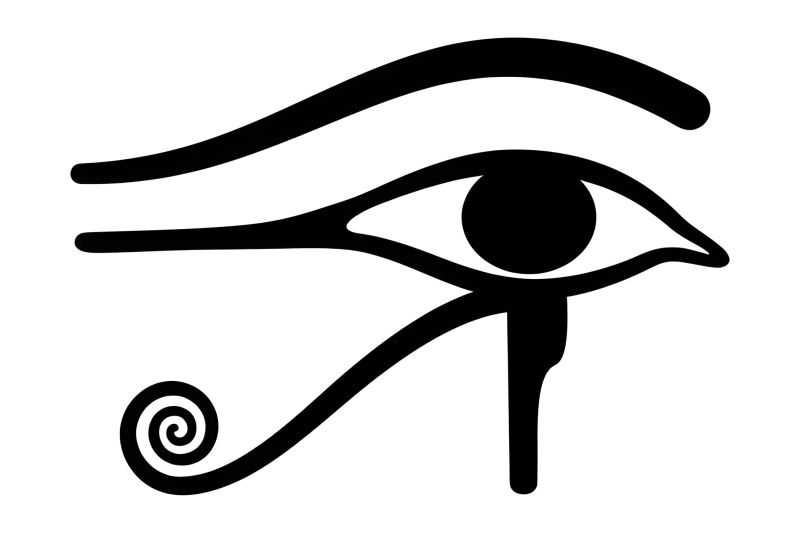
Egyptian Eye Of Horus: The Sacred Symbol of Protection, Power, and Eternal Vision
The Egyptian Eye Of Horus is one of the most recognizable and powerful symbols to emerge from the ancient world. Elegant, mysterious, and deeply spiritual, this iconic emblem has captivated historians, travelers, and luxury explorers for centuries. Often seen engraved on temple walls, painted inside royal tombs, or crafted into fine gold amulets, the Eye of Horus represents far more than artistic brilliance. It embodies divine protection, royal authority, healing, and the eternal triumph of order over chaos.
For discerning travelers exploring Egypt’s timeless landscapes, encountering the Eye of Horus is not simply a visual experience. It is an immersion into the mythological heart of a civilization that shaped human history. From the grand temples along the Nile to desert sanctuaries and coastal fortresses, the symbol appears as a silent guardian, watching across millennia. Whether you are strolling through Luxor’s colossal columns or sailing past ancient riverbanks, the Eye of Horus connects every journey to a sacred story of resilience and rebirth.
Understanding this symbol enriches any curated experience, especially when woven into bespoke Egypt Vacation Packages that blend mythology, architecture, and cultural immersion. As you trace its origins and meanings, the Eye of Horus becomes more than an emblem—it becomes a lens through which you view the grandeur of ancient Egypt itself.
The Mythological Origins of the Egyptian Eye Of Horus
The story of the Egyptian Eye Of Horus begins with one of the most dramatic myths in ancient Egyptian religion. Horus, the falcon-headed sky god, battled his uncle Seth to avenge the murder of his father, Osiris. During their fierce struggle, Horus lost his eye. The damaged eye was later restored by the god Thoth, symbolizing healing, wholeness, and divine intervention.
This restored eye became known as the “Wedjat,” meaning the intact or healthy eye. It evolved into a potent symbol of protection and regeneration. The myth reflects Egypt’s core belief in cosmic balance, where chaos is inevitably overcome by order. When travelers visit sacred desert oracles like the Oracle Of Amun, they witness how mythology and spiritual authority intertwined to guide rulers and shape destiny.
Symbolism and Spiritual Meaning of the Eye of Horus
Protection Against Evil
The Egyptian Eye Of Horus was widely used as an amulet to ward off negative forces. Sailors painted it on ships for safe voyages, while families placed it in homes for spiritual security. Even today, its image conveys a universal message of vigilance and divine safeguarding.
Healing and Restoration
Because the eye was magically restored, it became associated with health and recovery. Physicians in ancient Egypt incorporated the symbol into medical texts, linking it to mathematical fractions and precise measurements used in remedies.
Royal Authority and Power
Pharaohs embraced the Eye of Horus as a declaration of divine legitimacy. Carved into temple reliefs and royal regalia, it reinforced the ruler’s sacred connection to the gods. Visitors exploring remote heritage sites such as the Qasr Qarun Temple can still observe how sacred symbols affirmed royal dominance across distant provinces.
Where to See the Egyptian Eye Of Horus in Egypt
The Eye of Horus appears throughout Egypt, from monumental temples to hidden desert sanctuaries. In Luxor and Aswan, intricate carvings decorate sacred walls best discovered aboard one of the Best Nile River Cruises, where expert guides illuminate the mythological details behind every relief.
In Cairo, museum collections display delicate gold amulets shaped like the Eye, once placed within royal mummies for eternal protection. For an atmospheric evening steeped in symbolism and storytelling, the Sound and Light Show Pyramids with Dinner evokes the same epic narratives of gods and kings.
Beyond the Nile Valley, spiritual traditions echo across the Western Desert. Sites like the Temple Of Umm Ubayd and the legendary Shali Castle reveal how sacred iconography extended into oasis communities, reinforcing protection and divine presence even in remote landscapes.
The Eye of Horus in Art, Jewelry, and Modern Luxury Travel
Today, the Egyptian Eye Of Horus continues to inspire fine jewelry, bespoke décor, and curated travel experiences. High-end boutiques in Cairo reinterpret the symbol in gold and lapis lazuli, echoing ancient craftsmanship. For travelers seeking immersive cultural journeys, a carefully designed Egypt and Jordan Tours itinerary reveals how protective symbolism influenced civilizations across borders.
Luxury travelers often incorporate the symbol’s story into personalized journeys such as the Egypt Itinerary 8 Days, where temple visits, private guides, and curated museum tours provide deeper historical insight. Guests sailing aboard the refined Salima Nile Cruise experience these sacred stories while enjoying panoramic river views once believed to be watched over by Horus himself.
The Eye of Horus and Egypt’s Diverse Cultural Landscape
The influence of sacred symbols like the Eye extended beyond central temples into coastal and monastic regions. Along the Mediterranean, cities explored in the North Coast & Delta reveal layers of Pharaonic, Greek, and Roman integration. In historic ports such as Port Said, maritime culture once embraced protective emblems rooted in ancient belief.
Christian Egypt also preserved symbolic continuity. Monastic complexes like the Red Monastery demonstrate how sacred art evolved yet retained echoes of protective imagery first embodied by the Eye of Horus.
Travelers from North America can seamlessly explore these interconnected histories through curated journeys such as the 08 Days Tour to Egypt from USA, blending comfort, scholarship, and transformative discovery.
Why the Egyptian Eye Of Horus Still Fascinates the World
The enduring allure of the Egyptian Eye Of Horus lies in its universal message. It speaks to humanity’s desire for protection, healing, and justice. Unlike many ancient symbols that faded into obscurity, the Eye remains globally recognized, appearing in art, fashion, and spiritual discourse.
Yet nowhere does it resonate more profoundly than in Egypt itself. Standing before temple walls where artisans carved its precise contours over three thousand years ago, you sense its timeless authority. It becomes clear that the Eye of Horus is not merely a relic of the past. It is a living symbol—one that continues to watch over Egypt’s golden deserts, fertile riverbanks, and vibrant cities.
Frequently Asked Questions About the Egyptian Eye Of Horus
What does the Egyptian Eye Of Horus symbolize?
The Egyptian Eye Of Horus symbolizes protection, healing, restoration, and royal power. Rooted in the myth of Horus and Seth, it represents the triumph of order over chaos and serves as a powerful amulet against harm.
Is the Eye of Horus different from the Eye of Ra?
Yes, although they appear similar, they hold distinct meanings. The Eye of Horus is linked to healing and protection, while the Eye of Ra represents the sun god’s destructive and protective power. Both are significant but stem from different mythological narratives.
Where can I see authentic Eye of Horus carvings in Egypt?
You can see authentic carvings in temples throughout Luxor, Aswan, and Edfu, as well as in museum collections in Cairo. Many Nile cruise itineraries include guided visits to these historic sites, providing detailed explanations of the symbol’s significance.
Did ancient Egyptians wear the Eye of Horus as jewelry?
Yes, the Eye of Horus was commonly crafted into amulets made of gold, faience, and precious stones. These pieces were worn for protection and were often placed inside tombs to safeguard the deceased in the afterlife.
Why is the Egyptian Eye Of Horus still popular today?
The symbol’s timeless message of protection and renewal continues to resonate globally. Its elegant design, profound mythology, and spiritual depth make it a lasting emblem in art, fashion, and cultural exploration, especially for travelers seeking meaningful experiences in Egypt.


