
Ancient Egyptian Calendar
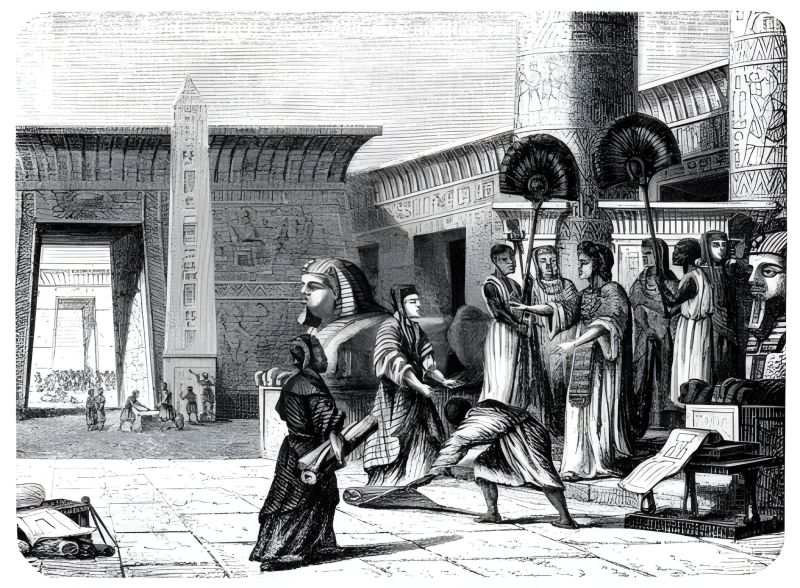
Ancient Egyptian Calendar: The Timeless System That Shaped Civilization
The Ancient Egyptian Calendar stands as one of humanity’s earliest and most sophisticated attempts to measure time. Long before modern planners, digital clocks, and leap years, the people of the Nile Valley crafted a calendar so precise and practical that it influenced later Greek and Roman systems—and ultimately the calendar we use today. Rooted in astronomy, agriculture, and religion, this remarkable timekeeping system governed every aspect of life in ancient Egypt, from planting crops to celebrating sacred festivals.
Imagine living in a land where the annual flooding of The Nile River determined prosperity or famine. Predicting its arrival was not a luxury—it was survival. The ancient Egyptians observed the heliacal rising of Sirius, the brightest star in the sky, and aligned it with the river’s inundation. From this celestial event, they built a 365-day solar calendar that reflected both cosmic order and earthly necessity.
Today, travelers exploring Egypt can still feel the echoes of this ancient rhythm in temples aligned with the sun and festivals tied to seasonal cycles. Whether wandering through Cairo City or sailing past timeless riverbanks, understanding the Ancient Egyptian Calendar adds a deeper layer of meaning to every monument and story. For those planning a journey, A Complete Guide To Egypt Tours And Travel offers helpful insights to craft an enriching cultural experience.
How the Ancient Egyptian Calendar Worked
The Ancient Egyptian civil calendar consisted of 365 days divided into 12 months of 30 days each. At the end of the year, five additional days—known as the Epagomenal Days—were added. These days were dedicated to the births of major deities such as Osiris, Isis, Horus, Seth, and Nephthys. This structure created a remarkably stable system that required no months of varying lengths.
Each month was further divided into three weeks of ten days, known as “decans.” The decans were also linked to star groups that rose consecutively on the horizon, blending astronomy with daily scheduling. Priests and astronomers tracked these stars carefully, reinforcing Egypt’s reputation as a center of celestial knowledge.
The Three Seasons of the Ancient Egyptian Year
The calendar revolved around three primary agricultural seasons, each lasting four months:
Akhet – The Inundation Season
Akhet marked the flooding of the Nile, typically beginning in mid-July. During this time, fields were submerged, replenishing the soil with fertile silt. Farmers shifted focus from agriculture to construction and temple work, contributing labor to grand monuments that still stand today.
Peret – The Growing Season
As waters receded, Peret began. Seeds were sown into the rich earth, and communities worked tirelessly to ensure a successful harvest. The predictability of the calendar allowed precise agricultural planning.
Shemu – The Harvest Season
Shemu celebrated the fruits of labor. Crops were gathered, taxes were collected in grain, and religious festivals honored divine blessings. This cyclical structure defined Egypt’s economic and spiritual life.
Religious Significance of the Ancient Egyptian Calendar
Beyond agriculture, the calendar structured sacred rituals and temple ceremonies. Each month and season carried religious symbolism. Temples aligned with solar events demonstrated Egypt’s deep connection between architecture and astronomy. Even today, artifacts displayed at The Egyptian Museum Of Cairo reveal inscriptions tied to specific feast days and seasonal rites.
The five Epagomenal Days were particularly significant. Considered outside the normal year, they were moments when cosmic order was temporarily suspended, making them both sacred and unpredictable.
Astronomy and the Rising of Sirius
The heliacal rising of Sirius, known to the Egyptians as Sopdet, was the cornerstone of their solar calendar. This event coincided closely with the Nile’s inundation, creating a powerful astronomical-agricultural link. By observing the night sky, priests could forecast the flooding and maintain social stability.
This advanced understanding of astronomy later influenced Hellenistic scholars and ultimately contributed to the development of the Julian calendar. The Ancient Egyptian Calendar was not isolated—it became a foundational pillar in global timekeeping history.
Experiencing the Calendar’s Legacy in Modern Egypt
Travelers today can witness the living legacy of ancient timekeeping through temple alignments and seasonal celebrations. In Luxor, for example, the Opet Festival once followed the calendar’s rhythm, reinforcing divine kingship and cosmic harmony. Exploring these sites through curated Luxor Day Tours allows visitors to connect deeply with this ancient worldview.
For a comprehensive experience, many discerning travelers choose tailored Egypt Private Tours, ensuring expert-guided insights into temple inscriptions and astronomical symbolism.
The Calendar’s Influence on Later Civilizations
The precision of the 365-day year impressed Greek scholars, who adapted elements of the Egyptian system. The Romans later refined it into the Julian calendar, which eventually evolved into today’s Gregorian calendar. In this way, the Ancient Egyptian Calendar quietly shapes modern life.
Visitors interested in tracing this cultural exchange often combine destinations through immersive programs like the 12 Days Egypt and Morocco Holiday, connecting North Africa’s intertwined histories.
Sailing Through Time on the Nile
One of the most elegant ways to appreciate Egypt’s seasonal rhythm is aboard a luxury cruise. Drifting between Luxor and Aswan evokes the same river-centric life that shaped the calendar thousands of years ago. The refined Farida Nile Cruise offers an exceptional vantage point to witness sunrise over temples aligned with ancient solar cycles.
Alternatively, the Salima Nile Cruise blends comfort with cultural depth, guiding guests through landscapes once governed by Akhet, Peret, and Shemu.
Planning Your Journey Around Egypt’s Historical Seasons
While the ancient calendar is no longer officially used, understanding its structure enriches travel planning. Many visitors consult resources like How To Request A Quote For Egypt Tours (With Real Examples) to design customized itineraries that align with preferred weather and cultural events.
Couples seeking romance amid timeless landscapes often explore recommendations from Best Egypt Travel Agencies For Honeymooners: Romance, Luxury & Culture, blending luxury with profound history.
Frequently Asked Questions About the Ancient Egyptian Calendar
What was the structure of the Ancient Egyptian Calendar?
The Ancient Egyptian Calendar consisted of 365 days divided into 12 months of 30 days each, plus five additional festival days. The year was organized into three seasons—Akhet, Peret, and Shemu—reflecting the agricultural cycle of the Nile.
Did the Ancient Egyptian Calendar have leap years?
No, the civil calendar did not include leap years. Because it was slightly shorter than the solar year by about a quarter of a day, it gradually drifted over centuries. This slow shift was known as the Sothic cycle.
Why was the star Sirius important in the Egyptian calendar?
The heliacal rising of Sirius signaled the annual flooding of the Nile. This astronomical event marked the beginning of the new year and allowed priests to predict agricultural cycles with impressive accuracy.
How did the calendar influence daily life in ancient Egypt?
The calendar regulated farming, taxation, religious festivals, and state projects. It structured work schedules, temple ceremonies, and even mythological narratives tied to specific days.
Can travelers see evidence of the Ancient Egyptian Calendar today?
Yes. Temple alignments, inscriptions, and festival records throughout Egypt reflect the calendar’s influence. Visiting Luxor, Aswan, and major museums offers tangible insight into how this ancient system shaped one of history’s greatest civilizations.


